ICE Shooting in Minneapolis Puts Border Patrol Commander Gregory Bovino Under National Scrutiny
MINNEAPOLIS — The fatal shooting of a 37-year-old U.S. citizen by an ICE agent during an immigration enforcement operation in Minneapolis has triggered a wave of outrage and renewed scrutiny of Border Patrol Commander Gregory Bovino, a senior federal official who was present with the operational group at the scene.
While the agent who fired the shots has not been publicly identified, the confirmed presence of Bovino — a high-ranking commander within U.S. Customs and Border Protection (CBP) — has intensified questions about command responsibility, enforcement culture, and a pattern of aggressive federal operations in U.S. cities far from the southern border.
A Deadly Operation With Senior Command on Scene
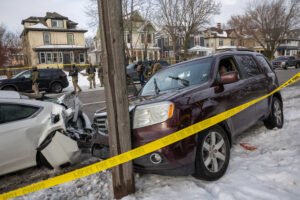
Live video shared online shows a heavy federal law-enforcement presence, vehicles involved in a crash, and ICE agents surrounding a stopped car. In the footage, an agent appears to draw his firearm and fire three shots toward the vehicle. Moments later, the car crashes into a parked vehicle and slams into a light pole.
The woman inside the vehicle later died from gunshot wounds. Authorities confirmed she was a U.S. citizen.
Federal officials later acknowledged that Border Patrol Cmdr. Gregory Bovino was part of the group conducting the operation — a detail that has become central to public criticism and political fallout.
Why Gregory Bovino’s Presence Matters
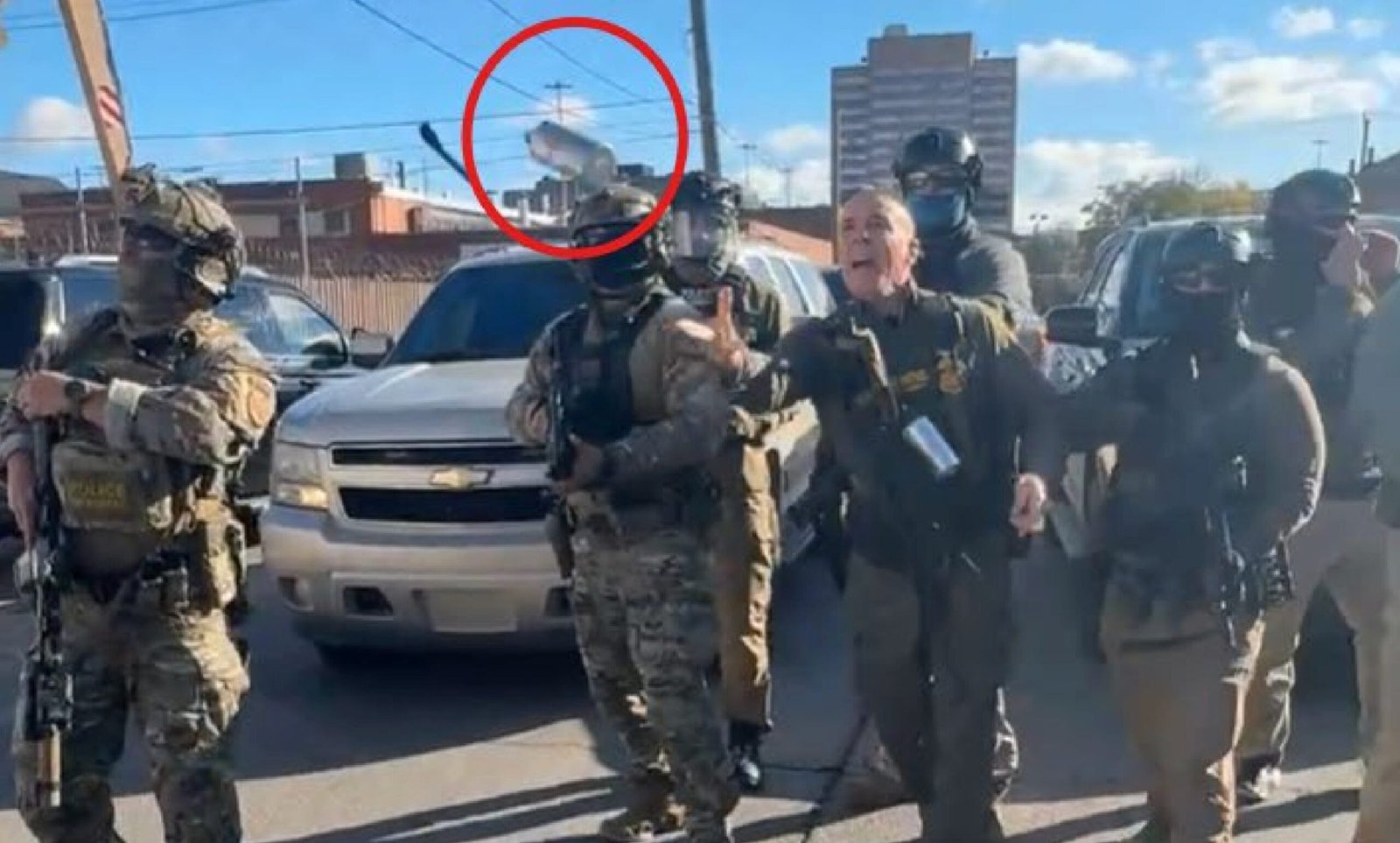
Bovino is not a field-level officer. As a Border Patrol commander, he represents senior leadership within CBP, an agency under the Department of Homeland Security (DHS). His presence signals that the Minneapolis operation was not routine, but rather a coordinated enforcement action with high-level oversight.
Legal experts note that when senior commanders are on scene, questions naturally arise about:
- Operational planning
- Rules of engagement
- Use-of-force expectations
- Real-time supervision
- Accountability after lethal incidents
“This wasn’t a rogue agent acting alone in isolation,” said one former federal law-enforcement official familiar with DHS operations. “When command staff is present, responsibility doesn’t stop at the trigger pull.”
A Pattern of Aggressive Enforcement Tactics
The Minneapolis shooting has reignited criticism of federal immigration enforcement strategies that rely on heavily armed operations in dense urban areas.
Gregory Bovino has previously been associated with high-visibility, hard-line enforcement deployments, particularly during periods when CBP and ICE expanded operations beyond traditional border zones. Civil-rights advocates argue that these tactics increase the likelihood of violent encounters — especially when conducted in residential neighborhoods.
While no prior case has legally tied Bovino to wrongdoing, advocates say the pattern of aggressive posture under senior CBP leadership cannot be ignored when a civilian death occurs.
Minneapolis Mayor Rejects Federal Narrative
Minneapolis Mayor Jacob Frey publicly rejected DHS’s early suggestion that the shooting was an act of self-defense.
“They are already trying to spin this as self defense,” Frey said.
“Having seen the video myself, I want to tell everybody directly that is bulls***.”
Frey said local law enforcement’s immediate priorities were to get the victim medical help — and then to remove ICE from the scene.
“They were making a difficult situation more problematic,” he said.
Command Responsibility Comes Into Focus
The presence of a Border Patrol commander during an operation that resulted in a civilian death has intensified calls for:
- An independent investigation
- Disclosure of operational command structure
- Clarification of Bovino’s role
- Review of federal-local coordination
Civil-rights organizations argue that accountability must extend beyond the individual agent to those who planned, authorized, and supervised the operation.
“Command responsibility is a real concept,” said one legal analyst. “If aggressive tactics are encouraged from the top, deadly outcomes become more likely.”
A National Reckoning Over Federal Power
The killing of a U.S. citizen during an immigration operation — with senior federal leadership present — has become a flashpoint in the broader national debate over:
- ICE and CBP authority inside U.S. cities
- Militarization of immigration enforcement
- Oversight of federal agents
- Expansion of Border Patrol influence beyond border regions
For critics, the Minneapolis shooting is not an isolated tragedy — but a warning sign.
What Happens Next
As of now:
- The agent who fired the shots has not been publicly identified
- ICE and CBP have not detailed Gregory Bovino’s specific role
- No disciplinary action has been announced
- Multiple investigations are ongoing
The unanswered questions surrounding Gregory Bovino’s presence ensure that this case will remain in the national spotlight.